How social environments influence gambling decisions
The role of peer influence in gambling
The impact of peer influence on gambling behaviors cannot be understated. Social groups often dictate the norms surrounding gambling activities, such as when, where, and how much one should partake in gambling. When individuals are surrounded online pokies by peers who engage in gambling, the likelihood of participating in such activities increases significantly. The desire to fit in or gain social acceptance drives individuals to align their behaviors with those of their friends or acquaintances.
This phenomenon is particularly pronounced in environments where gambling is a normalized behavior, such as casinos, sports bars, or even online forums. In these settings, the social acceptance of gambling elevates the activity from mere entertainment to a social obligation, thereby influencing decision-making processes. Such an environment fosters a sense of community among gamblers, amplifying the excitement and risk-taking associated with gambling.
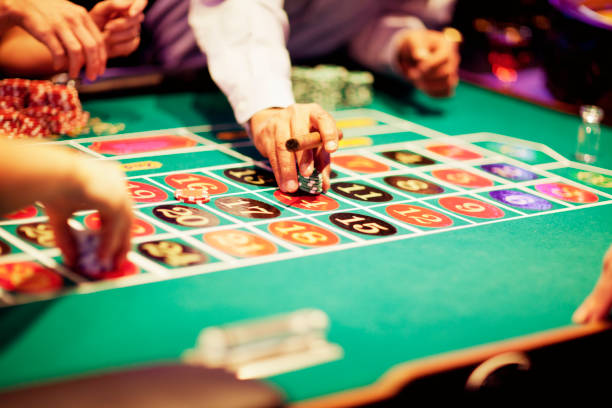
Moreover, peer influence can also extend to the acceptance of gambling-related narratives. If individuals hear stories of friends winning big or enjoying the thrill of gambling, they are more likely to see these behaviors as desirable. Conversely, negative anecdotes may have the opposite effect, steering individuals away from such activities. Thus, the role of peers not only alters participation rates but can also affect perceptions, reinforcing or challenging existing beliefs about gambling.
The influence of family background
Family background serves as a foundational element in shaping an individual’s views on gambling. For many, early exposure to gambling practices, whether through family gatherings or cultural traditions, lays a framework for their understanding of the activity. Families that engage in gambling as a form of entertainment may inadvertently promote it as an acceptable pastime.
Conversely, families that view gambling negatively may encourage avoidance behaviors, impacting the likelihood of participation. The lack of exposure or negative framing can create a fear or mistrust toward gambling, translating into decreased likelihood of engaging in such activities. Hence, the family environment acts as both a protective factor and a risk factor, significantly influencing an individual’s gambling decisions.

It’s important to consider that family discussions about gambling can also impart valuable lessons. Open conversations regarding risks, rewards, and responsible gambling can lay the groundwork for informed decisions later in life. By fostering a dialogue about the realities of gambling, families can empower individuals to create a balanced approach towards engagement in such activities, understanding both their potential allure and dangers.
The effect of social media and online environments
In today’s digital era, social media platforms and online environments play a crucial role in influencing gambling decisions. The proliferation of gambling-related advertisements and sponsored posts creates a constant stream of exposure to gambling opportunities. Gamblers often find themselves drawn to online pokies and other gambling options showcased through these channels.
Moreover, social media encourages sharing experiences, which can normalize gambling behaviors. Gamblers frequently post their wins or experiences, which may entice others in their network to try their luck as well. This digital social interaction generates a sense of community, reinforcing the desire to gamble and participate in gaming activities, irrespective of personal risk assessments.
Furthermore, targeting algorithms on social media often present users with ads that align with their interests, thereby increasing the likelihood of being exposed to gambling-related content. This incessant visibility can blur the lines of what constitutes healthy versus unhealthy gambling habits, particularly for impressionable audiences. As online environments continue evolving, the responsibility lies with users to critically evaluate the information presented to them and its potential influence on their gambling decisions.
Emotional and psychological impacts of social environments
The emotional and psychological aspects of social interactions significantly shape gambling decisions. Social environments can elicit various feelings, such as excitement or anxiety, which in turn drive gambling behavior. Anniversaries, celebrations, or even stressful events may lead individuals to seek out gambling as a coping mechanism or means to enhance their social experience.
Additionally, the competition among peers can provoke impulsive gambling. The fear of missing out (FOMO) can compel individuals to partake in gambling activities, despite their better judgment. Therefore, the emotional dynamics of social environments are intricately linked to the decisions made in gambling contexts, often overriding rational thinking.
Exploring deeper into emotional triggers, certain environments can foster an escape mentality. In scenarios where individuals feel pressured or overwhelmed, the thrill of gambling provides a temporary relief or distraction from life’s stresses. This coping strategy, while it can offer short-term enjoyment, often leads to complex long-term consequences, underscoring the urgent need for awareness and education about responsible gambling practices.
Conclusion about this website
This discussion underscores the complex interplay between social environments and gambling decisions. Understanding these influences can empower individuals to make informed choices, potentially mitigating the associated risks. If you’re interested in exploring more about gambling experiences, including online pokies, visit our site for valuable insights and resources. By providing a deeper understanding of the social factors at play, individuals can better navigate their gambling decisions.
Ultimately, recognizing the impact of social environments equips individuals with the knowledge needed to approach gambling responsibly. Engaging with a broader understanding of these influences can foster healthier attitudes towards gambling and its role in society. As we continue to navigate an ever-evolving landscape of social dynamics, it becomes imperative to remain vigilant and informed to ensure that gambling remains a source of entertainment rather than a potential source of harm.
Gallery