The psychological complexities of gambling and their long-term effects
The allure of gambling: Psychological triggers
The allure of gambling lies in its ability to trigger powerful psychological responses. Many individuals are drawn to the thrill of uncertainty, where the potential for a big win ignites feelings of excitement and hope. This excitement is often fueled by the release of dopamine, a neurotransmitter associated with pleasure and reward. When players experience a win, even a small one, it reinforces the behavior, creating a feedback loop that encourages further gambling. For those interested in exploring their options, finding a non gamstop casino can enhance their gaming experience significantly.

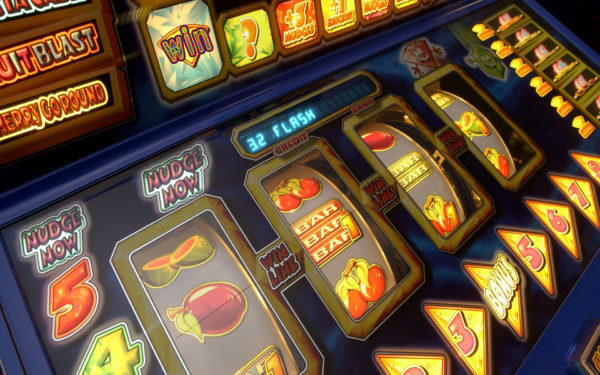
Moreover, the social environment surrounding gambling, whether in physical casinos or online platforms, can amplify these psychological triggers. Interaction with other gamblers, the sensory stimulation of gaming machines, and the ambiance of betting establishments contribute to an immersive experience that keeps individuals engaged. These elements can obscure the rational decision-making process, making it easier for individuals to overlook the risks involved.
The role of cognitive biases in gambling
Cognitive biases play a significant role in gambling behavior. One prevalent bias is the illusion of control, where gamblers believe they can influence the outcome of random events. This misconception leads individuals to gamble more frequently, as they cling to the false hope that their skills can sway the results. Such biases can result in overconfidence, pushing individuals to make reckless bets that can jeopardize their financial stability.
Another common bias is the gambler’s fallacy, the belief that past events can influence future outcomes in independent games. For instance, a player might think that after a series of losses, a win is “due.” This erroneous thinking can trap gamblers in cycles of chasing losses, leading to increased bets and escalating the psychological toll of gambling.
The emotional consequences of gambling addiction
The emotional landscape of gambling addiction is fraught with turmoil. As gambling becomes more compulsive, individuals may experience guilt, shame, and anxiety about their behavior. These negative emotions often lead to a cycle of seeking solace through more gambling, creating an endless loop that exacerbates their psychological distress. The emotional highs associated with wins can be short-lived, often followed by deeper lows after losses, leaving individuals feeling trapped.
Moreover, the ramifications extend beyond the individual, affecting relationships with family and friends. The secrecy and deception often required to maintain a gambling habit can erode trust and lead to isolation. Loved ones may feel helpless or betrayed, compounding the emotional fallout of gambling addiction and creating a rift that is difficult to mend.
Long-term effects on mental health
The long-term effects of gambling can significantly impact mental health. Persistent gambling can lead to chronic anxiety and depression, with individuals experiencing an ongoing struggle to cope with their behavior and its consequences. The financial strain from losses can exacerbate feelings of hopelessness, leading to a deteriorating sense of self-worth and overall well-being.
Additionally, the risk of developing other mental health disorders increases for those with gambling addictions. This includes substance abuse, as individuals may turn to alcohol or drugs as a coping mechanism. Long-term gambling can create a cascade of mental health issues that require comprehensive treatment and support to overcome.
Ensuring a safe online gambling experience
In the modern digital landscape, responsible gambling practices are essential for maintaining a healthy relationship with betting activities. The rise of online gambling has made it more accessible, but it also necessitates heightened awareness of the psychological complexities involved. Players should educate themselves about the risks and seek support if they find themselves engaging in compulsive behavior.
Various organizations provide resources for responsible gambling, offering tools to help individuals monitor their habits and set limits. Furthermore, online platforms increasingly focus on providing safe environments, enabling users to enjoy gambling without compromising their well-being. Balancing entertainment with caution is crucial to ensuring a positive experience and mitigating the long-term effects of gambling addiction.
Gallery