Understanding the psychology behind casino players' decisions and behaviors
The Allure of Gambling
The world of gambling is fascinating, as it draws players in with a mix of excitement and anticipation. The thrill of chance, paired with the potential for significant rewards, creates a unique environment that captivates many individuals. This allure is often heightened by the vibrant atmosphere of casinos, where lights, sounds, and an adrenaline-fueled ambiance stimulate emotional responses. For many, the casino represents not just a place to gamble, but a venue for social interaction and escapism from daily life. In this context, players might even explore platforms like casino en ligne Pinco to enhance their gambling experiences.
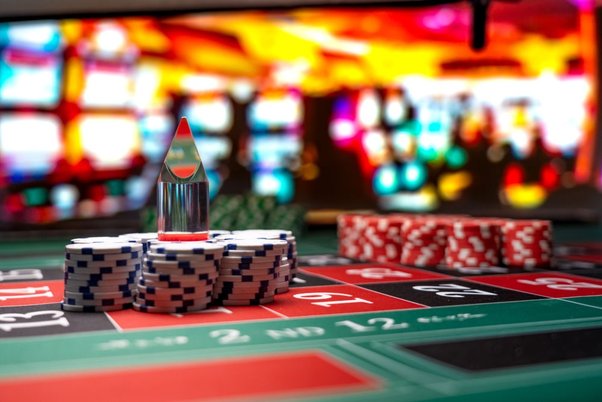
Furthermore, the psychological mechanisms at play within this environment are crucial to understanding player behavior. The concept of ‘near misses,’ where players come close to winning, can create an illusion of control, compelling them to continue playing despite losses. This sense of engagement is often reinforced by the use of rewards and bonuses, which can lead to habitual gambling behaviors. Players are not just chasing money; they are often pursuing the emotional highs associated with wins and the social connections formed in the process.
Lastly, the allure of gambling often lies in its potential for transforming one’s life. Many players are attracted to stories of big winners who have changed their fortunes overnight, leading them to believe that they could also experience such a life-altering event. This hopeful mindset drives many individuals into the casino, often ignoring the odds and risks associated with their decisions. As such, the intersection of hope, thrill, and the social aspects of gambling creates a complex psychological landscape that influences player choices.
The Influence of Environment
The physical environment of a casino plays a significant role in shaping player behavior. From the layout of gaming machines to the strategic placement of high-stakes tables, every element is designed to maximize engagement and encourage prolonged play. For instance, casinos often use dim lighting and vibrant colors to create a sense of excitement and urgency. This carefully constructed environment can lead to disorientation, making it easier for players to lose track of time and money spent.
Moreover, the concept of location extends beyond mere physical space. The proximity to other entertainment options, such as restaurants and theaters, can influence player decisions as well. Many players may find it convenient to visit a casino before or after enjoying a meal or a show, thus incorporating gambling into their overall experience. This integration of gambling within a broader leisure context can lead to increased spending, as players are likely to remain in the casino longer when coupled with other forms of entertainment.
Additionally, the social dynamics created by the casino environment cannot be understated. Casinos often encourage social interaction through group games and communal areas, fostering a sense of camaraderie among players. This can create a reinforcement loop where the enjoyment of winning is shared, further motivating individuals to engage in gambling. As a result, understanding the influence of the casino environment is crucial for grasping how and why players make certain decisions while gambling.
The Role of Risk and Reward
The psychology of risk and reward is central to understanding gambling behavior. Players are often drawn to the excitement of taking risks, with many viewing gambling as a thrilling adventure. The potential for a significant reward can overshadow the risks involved, leading players to engage in behaviors they might otherwise avoid. This phenomenon is often exacerbated by cognitive biases, such as overconfidence, where players mistakenly believe they can beat the odds.
The brain’s reward system plays a pivotal role in this process. When a player wins, dopamine is released, creating feelings of pleasure and reinforcing the gambling behavior. This neurological response can become addictive, as players chase that initial high. For many, the excitement of gambling becomes a compelling reason to continue playing, even in the face of losses. The intermittent nature of rewards in gambling—where wins can occur sporadically—further enhances this addictive cycle, making it difficult for players to stop.
Moreover, players often engage in risk assessment, weighing their potential losses against the possible gains. However, many underestimate the odds, leading them to believe they have a better chance of winning than they actually do. This miscalculation often leads to increased gambling activities, as players rationalize their decisions based on anticipated rewards rather than statistical reality. The interplay between risk and reward ultimately influences players’ decisions and behaviors significantly, underlining the complexity of their psychological landscape.
The Impact of Cognitive Biases
Cognitive biases are inherent flaws in human thinking that can significantly influence decision-making in gambling scenarios. One common bias is the gambler’s fallacy, which leads players to believe that past events affect future outcomes. For instance, if a roulette wheel lands on red several times in a row, players may feel that black is “due” to occur, prompting them to place bets accordingly. This misunderstanding of probability can drive players to make irrational decisions, ultimately affecting their financial outcomes.
Another cognitive bias at play is the illusion of control, where players believe they can influence random outcomes through skill or strategy. This belief is prevalent in games like poker, where players may think their expertise can sway the results. While skill can contribute to success in certain situations, it often doesn’t apply in games of pure chance, such as slots or roulette. The confidence instilled by this illusion can lead to excessive gambling, with players attributing their losses to external factors rather than recognizing the inherent risks.
Finally, the endowment effect can cause players to overvalue their bets. Once a player invests money into a game, they may become reluctant to leave or cash out, believing that their initial investment gives them a higher stake in the outcome. This reluctance can lead to further losses as players attempt to recoup their initial investment. By understanding these cognitive biases, casinos can better grasp the psychological dynamics at play and how they influence player decisions and behaviors.

Exploring Player Support Resources
Understanding the psychology behind casino players’ decisions and behaviors can significantly enhance the support resources available for players. Many casinos offer services aimed at promoting responsible gaming, ensuring that players are aware of their limits and providing resources for those seeking help. By fostering an environment that prioritizes player welfare, casinos can build trust and loyalty among their clientele.
Moreover, educational campaigns about the psychological factors influencing gambling can empower players to make more informed decisions. These initiatives can help individuals recognize the signs of problematic gambling behavior, encouraging them to seek assistance before it escalates. By equipping players with knowledge, casinos can promote a healthier gaming atmosphere, reducing the stigma associated with seeking help.
Ultimately, understanding the psychology behind players’ decisions is essential for creating a balanced gaming environment. As casinos continue to navigate the intricate dynamics of player behavior, integrating psychological insights into their practices will be vital. This focus on player support not only benefits the individuals involved but also enhances the overall reputation of the gambling industry.
Gallery